 Viator
Photos

Viator
Explore a historic and spiritual site in Gaya, Bihar.
Viator
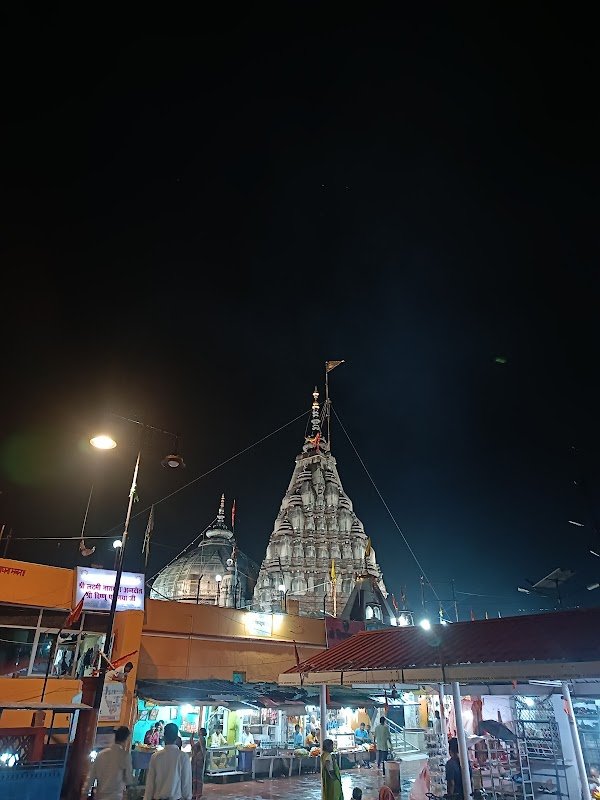
The Vishnupad Temple is an elaborate temple located in Gaya, Bihar, renowned for its spiritual significance. At the heart of this temple is a footprint said to belong to Lord Vishnu, which is a major attraction for devotees and visitors alike. This site is considered sacred and is integral to the Pind Daan rituals, which are performed for the peace and liberation of ancestors.
The temple's architecture is notable, with a large slab of black granite bearing the sacred footprint. The footprint features auspicious symbols such as the Shanku and Chakra, which devotees can observe during certain rituals. The present structure of the temple was constructed by Rani Ahalyabai of Indore in the 18th century and features an octagonal design.
Visitors to the Vishnupad Temple will find the atmosphere peaceful, especially during off-peak hours. The temple also has facilities such as wheelchair-accessible entrances and parking. Lockers are available for mobile phones, as they are not allowed inside the temple to maintain the sanctity of the space.
The current structure of the Vishnupad Temple was built by Rani Ahalyabai of Indore in the 18th century. The temple is dedicated to Lord Vishnu, and its origins are deeply rooted in Hindu mythology. According to the Puranas, Lord Vishnu killed the Demon Gayasuran by stamping his foot on the demon's chest, leaving behind a footprint.
This footprint, which is more than just a foot, includes symbols like the Shanku and Chakra, and is the focal point of worship in the temple. The site is considered a pavithra punya Bhoomi for performing ancestral rites and rituals.
Visiting the Vishnupad Temple offers a deeply spiritual experience. The temple is open daily, but visiting during off-peak hours is recommended for a more serene experience. Mobile phones are not allowed inside, but lockers are available for storage.
The temple complex is wheelchair accessible, with facilities for parking and entrance. Visitors are advised to be cautious, as the inner sanctum floor can become slippery due to ritual activities. The temple is a significant site for performing the Pind Daan rituals, which are carried out on the banks of the nearby Falgu River.
A visit to the Vishnupad Temple is usually part of broader tours, such as the Gaya and Bodh Gaya Full-Day Private Tour, which offers a comprehensive exploration of the spiritual sites in the region.
| Monday | 5:00 AM – 12:30 PM, 2:00 – 11:00 PM |
|---|---|
| Tuesday | 5:00 AM – 12:30 PM, 2:00 – 11:00 PM |
| Wednesday | 5:00 AM – 12:30 PM, 2:00 – 11:00 PM |
| Thursday | 5:00 AM – 12:30 PM, 2:00 – 11:00 PM |
| Friday | 5:00 AM – 12:30 PM, 2:00 – 11:00 PM |
| Saturday | 5:00 AM – 12:30 PM, 2:00 – 11:00 PM |
| Sunday | 5:00 AM – 12:30 PM, 2:00 – 11:00 PM |
Hours from the Google record, current as of publication.
Visitors frequently highlight the spiritual atmosphere of the Vishnupad Temple, often describing it as a place of peace and devotion. Many appreciate the opportunity to perform Pind Daan rituals for their ancestors, finding the experience meaningful and fulfilling.
The temple's architecture, particularly the sacred footprint of Lord Vishnu, garners much attention. Several reviews mention the intricate symbols visible during rituals, enhancing the spiritual experience.
Guests also note the convenience of visiting during off-peak hours, allowing for a more tranquil and personal experience. The availability of lockers for mobile phones is appreciated, ensuring a distraction-free visit.
Chand Chaura, Gaya, Bihar 823001






Photos by Darbar Events & Catering, Blank space cafe, Kiraan Prabhu, Maxchef (A Multi-Cuisine Restaurant), GAYA JI COOKING AND BAKING CLASSES, Murali Krishnan, Samrat suraj Singh, Sunny Art Emporium, Purohit Munnapathak Pandit in Gayajj | Pindaan Seva, mast life entertainment, UTTAM KUMAR, via Google.
No, mobile phones are not allowed inside. Lockers are available for storage.
Yes, the temple has wheelchair accessible entrances and parking.
The main attractions include Lord Vishnu's footprint and the temple's architecture.

